ITA Airways Expands Its U.S. Network and Opens a New Chapter with Star Alliance

by ITA Airways

Imagine wandering through ancient ruins, marveling at Renaissance masterpieces, and savoring world-renowned cuisine. Your Italian journey begins the moment you step onto ITA Airways’ state-of-the-art Airbus A330-900neo.

ITA Airways is pleased to offer daily non-stop service from Miami (MIA) to Rome (FCO), providing travelers from South Florida with a direct gateway to Italy and beyond. Passengers can choose from three elegant and comfortable cabins, each designed to deliver authentic Italian hospitality at 30,000 feet. The A330-900neo features 291 seats across Business, Premium Economy, and Economy cabins. 

The timing is especially significant for travelers: as of April 1, 2026, ITA Airways has officially joined Star Alliance, a major milestone that expands global connectivity and offers customers a more seamless travel experience through reciprocal alliance benefits and wider network access. 

ITA Airways also continues to strengthen its position in the North American market. In addition to Miami, the airline operates from New York (JFK), Boston (BOS), Los Angeles (LAX), San Francisco (SFO), Washington, and Chicago, with Houston (IAH) added to the network from May 2026. 

Further reinforcing this growth, ITA Airways is deepening its integration with Lufthansa Group, including participation in the Miles & More loyalty ecosystem starting in April 2026, giving frequent travelers access to a broader range of airline and travel partners. 

Whether traveling for business, leisure, or an unforgettable Italian escape, passengers departing from Miami can now enjoy not only the comfort and style of ITA Airways, but also the advantages of a fast-evolving international network. 

Indel B USA Announces New Executive Vice President and Upcoming May Events.

by Indel B USA 

Indel B USA, North American branch of Italian Indel B Group, world leader in the refrigeration and heating solutions for the Marine, Trucking,  Recreational and Hospitality industries, announced that Roberto Leo, has assumed the title of Executive Vice President and Board Member and will be based in the U.S. headquarters in Fort Lauderdale, Fl.

As “ Leisure Season” approaches, Indel B will be participating in two important events in May.

The Hospitality & Design Show in Las Vegas

(May 5-7) is the largest exhibition for hospitality products in North America, reuniting more than 600 operators between brand leaders, manufaturers, architects proposing their latest advances in technology and design. https://hdexpo.hospitalitydesign.com/

Indel B will present Fridom its Energy Efficient line of design freestanding minibars, a classy addition to the already wide range of built-in refrigerators and wine coolers designed for the hotel and cruise industries. 

Indel B will also be present at the Overland Expo West from May 15th to 17th in Flagstaff, Az, gateway to The Grand Canyon. This premier event for Outdoor and Adventure activities features a rich array of products, hands on experiences and classes for the RV, Camping and Mortorcycle enthusiasts. Indel B ISOTHERM refrigerators, cooling systems and water heaters deriving directly from the company’s extensive experience in the marine applications, are the perfect match for energy saving, comfort and reliability to make the best of outdoor and adventure living.

For more information: https://www.indelb.com/

Snaidero America Opens 13,000 Sq. Ft. Flagship Showroom in Hollywood, Florida

by Snaidero

Snaidero America, the North American arm of the iconic Italian kitchen and luxury living brand, has announced a major expansion milestone: a 13,000 square-foot flagship showroom at 2801 Evans Street in Hollywood, Florida. Opening end of summer 2026, the free-standing facility will serve as the brand’s Americas headquarters and hub for its growing multi-housing division.

The showroom will feature a curated selection of Italian-crafted kitchens, custom closets, vanities, and bespoke millwork—reflecting 80 years of Snaidero heritage. Design professionals, architects, and contractors will have complimentary access to meeting and event spaces, with regular seminars and networking events planned. The space is designed to support professionals from anywhere, offering the convenience of a dedicated, local workspace in South Florida for hosting clients, collaborating, and managing projects while in the region.

“Our growth in the Americas has been nothing short of extraordinary,” said Marco Maset, President of Snaidero America. “We are creating more than a showroom—a true center of inspiration and collaboration for the design community.”

The Hollywood location will coordinate Snaidero’s presence across North, Central, and South America, supporting luxury residential developers and real estate professionals with elevated, turnkey design solutions.

About Snaidero America

Snaidero America is the official distributor of Snaidero products throughout the Americas, offering luxury kitchens, closets, vanities, and custom millwork rooted in Italian manufacturing heritage.

Snaidero America | 2801 Evans St, Hollywood, FL | snaidero@snaideroamerica.com | www.snaideroamerica.com

Arius Technology Partners with Galleria Borghese to Safeguard Italian Masterpieces

by Soriano Group – Arius Technology

Arius Technology, a leader in ultra-high-resolution 3D scanning, is proud to announce a landmark cultural preservation partnership with the Galleria Borghese, Rome. Commencing in mid-May 2026, Arius will utilize its proprietary ADMF™ (Art Digital Master File) technology to create high-fidelity “digital twins” of the museum’s most significant Renaissance and Baroque masterpieces.

For Italian businesses operating in North America, this collaboration represents a vital bridge between heritage and innovation. By applying cutting-edge technology developed in North America to Italy’s most iconic treasures, Arius is setting a new standard for cultural stewardship.

The Texture of Genius: Unlocking Fontana, Bernini, Caravaggio, and Raphael

The project will capture the forensic “DNA” of works by Italian masters, starting with masterpieces by Lavinia Fontana. Arius’ proprietary optical scanning will capture the topography, structural integrity, and material nuance with ten-micron precision, revealing the artist’s physical hand with unprecedented clarity. This immutable digital record will provide a precise blueprint for future conservation and research.

Innovation as Cultural Diplomacy

This partnership demonstrates how North American technological innovation can serve as a powerful guardian for Italian cultural heritage… We are enabling a new era of accessibility and protection,” says Marco Antonio Soriano, CEO of Arius Technology Europa Italia Srl. 

Beyond documentation, this initiative supports three critical pillars:

●         Safe Conservation: Our low-power, non-invasive laser technology is safer for delicate surfaces than traditional museum lighting.

●         The Digital Seed Bank: Creates a permanent, immutable record for future restoration.

●         Democratizing the Masterpiece: High-fidelity scans allow for the creation of textured physical replications, enabling global audiences to experience these works in new ways.

As Arius expands its work with Europe’s premier institutions, this collaboration underscores a shared commitment: ensuring that Italy’s unparalleled artistic legacy is protected, preserved, and celebrated through the power of advanced technology.

Casa Tua Cucina Expands to Wynwood

by Casa Tua

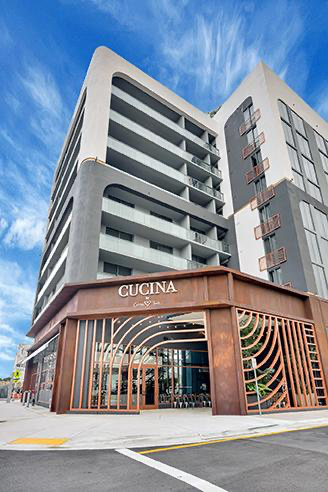
Casa Tua Cucina is opening its second Miami location in Wynwood this week, marking an exciting expansion for the beloved Italian marketplace and dining concept. Known for its vibrant, open-format experience, Casa Tua Cucina brings together multiple culinary stations, offering everything from handmade pasta and wood-fired pizza to fresh seafood and curated wine selections.

The new Wynwood location reflects the neighborhood’s creative energy while staying true to Casa Tua’s signature approach to hospitality: warm, welcoming, and centered around shared moments at the table. Designed as a space to gather throughout the day, it offers a dynamic setting for casual meals, meetings, and social occasions.

This opening represents a continued investment in Miami’s evolving cultural and culinary landscape, further establishing Wynwood as a destination for both locals and visitors.

Read more in Time Out Miami’s feature:

https://www.timeout.com/miami/news/casa-tua-cucina-is-opening-a-second-location-in-wynwood-this-week-041426

Celebration of Italian National Day in Atlanta

The Georgia Chapter of the Italy-America Chamber of Commerce Southeast will celebrate Italian National Day with a special networking cocktail organized in collaboration with the Gwinnett Chamber of Commerce.

The reception will bring together board members of the Gwinnett Chamber, representatives of the Coordination Committee of the IACCSE Georgia Chapter, IACCSE members, and the Honorary Consul of Italy in Georgia, Filiberto Garascibetta.

This gathering will offer a valuable opportunity for our current members to connect with prominent representatives of the Gwinnett business community, while enjoying an evening in celebration of the Italian Republic and the strong ties between Italy and Georgia.

The Chamber is also planning additional initiatives in June, including a roundtable dedicated to tariffs and duties, featuring a best-practice exchange among CEOs members of our Chamber.

Stay tuned for more details.

You can reach Ludovica Guglielmo, Project manager, for the IACCSE – Georgia Chapter at: atl@iaccse.com .

Save the Date: Italic Award Gala 2026

The Italy-America Chamber of Commerce Southeast is pleased to announce that the Italic Award Gala will take place on Saturday, December 12, 2026, at the prestigious JW Marriott Marquis in Downtown Miami.

This year’s Gala will be a truly special occasion, celebrating the 35th anniversary of the Chamber and honoring its longstanding commitment to strengthening business ties between Italy and the United States. The event will also coincide with the celebration of the G20 Summit, adding further significance to this important milestone.

The evening promises to be a spectacular event, featuring many surprises and exceptional guest speakers, including some of the most prominent Italian entrepreneurs on the global stage, soon to be revealed.

In the coming weeks, the Chamber will share additional details regarding sponsorship opportunities and corporate tables.

The Board of Directors of the Italy-America Chamber of Commerce Southeast is delighted to invite members, partners, and friends to join us for what promises to be an unforgettable evening.

IEEPA Refund Update

U.S. Customs and Border Protection (CBP) recently published a document titled “International Emergency Economic Powers Act (IEEPA) Duty Refunds” – https://www.cbp.gov/trade/programs-administration/trade-remedies/ieepa-duty-refunds – as well as CSMS # 68315804 – https://content.govdelivery.com/accounts/USDHSCBP/bulletins/4126a9c– , which summarizes the incoming refund process. 

CBP launched the Consolidated Administration and Processing of Entries (CAPE) April 20, 2026, as Phase 1 only for unliquidated entries and liquidated entries within 80 days of liquidation. 

CBP also specified the actions required for requesting refunds: 

The Importer of Record (IOR) and its customs broker must have an ACE account.  

ACH must be set up in ACE.  

The IOR or its customs broker must submit the request for refund (CAPE Declaration) via CAPE in the ACE system.  

The CAPE Declaration must be submitted as a .CSV file in ACE. 

The CAPE Declaration template will be available in the ACE system. 

Once the CAPE Declaration has been processed and validated by CBP, ACE will liquidate or reliquidate the entries by removing the IEEPA HTS codes.  

Refunds will be issued directly to the IOR’s bank account recorded in ACE or to a party the IOR has designated to receive refunds on its behalf via CBP Form.

Lastly, after the CAPE Declaration is accepted by CBP, refunds will be issued within 60 to 90 days.  

What Importers Should Do:

  • If not already created, create an ACE account immediately 
  • If you have an ACE account but you haven’t connected in the past 45 days, call ACE Support – https://www.cbp.gov/trade/automated/ace-support – immediately to reactivate your account  
  • Register to receive refunds via ACH using your U.S. bank account  
  • Prepare an ACE report covering all entries with IEEPA duties (including the liquidation dates)  

For Phase I refund requests, Prepare a CAPE Declaration consisting of a .CSV (comma-separated values) file containing only entry numbers, and only entry numbers 1) for which IEEPA duties were paid, and 2) that are unliquidated or liquidated less than 80 days prior to the date the Declaration will be submitted.    

CBP began accepting refund requests on April 20.

Tax Considerations for C-Suite Moves to the U.S.

By Mowery & Schoenfeld

Author: Ricardo Aramburo Williams, International Tax Principal

For non-U.S. executives, relocating to the United States, whether for business or personal reasons, represents a meaningful opportunity, but also significant tax complexity. From compensation structuring and asset reporting to potential exit taxes in the home jurisdiction, the scope of considerations can be substantial. Taking steps early to coordinate with experienced cross-border advisors helps manage both pre- and post-move implications effectively.

Substantial Presence Test

The first question is a matter of whether U.S. tax residency is an option. This determination is often governed by the substantial presence test, which is met if the executive is physically present in the United States for:

  • 31 days during the current tax year, and
  • 183 days during the current year and the two preceding years, calculated using a weighted formula (all days in the current year, 1/3 of days in the first preceding year, and 1/6 of days in the second preceding year).

Meeting this test generally results in U.S. tax residency, subjecting the executive to U.S. taxation on worldwide income.

In cases where an executive may be considered a tax resident in both the United States and their home country, applicable income tax treaties often provide “tiebreaker” rules. These rules assess factors such as permanent home, center of vital interests, habitual abode, and nationality to determine primary residency.

Dual residency and tiebreaker rules

Executives from countries that have income tax treaties with the U.S. can sometimes be considered residents of both nations simultaneously, known as dual residency. To address this issue, most of these treaties include “tiebreaker” rules that establish which taxing jurisdiction has primary residency status for tax purposes. These rules generally consider factors including permanent home, center of vital interests (read: where their personal and economic ties are strongest), habitual abode (read: where they actually live), and nationality. These tests can create a space for the individual to “overrule” the general substantial presence test rule.

Worldwide Taxation vs. Territorial Taxation

The U.S. follows a worldwide taxation system, in contrast to the territorial regimes common in many other jurisdictions. As a result, all residents’ income, regardless of source, is subject to U.S. federal income tax. This includes employment income, investment returns, rental income, and gains from the disposition of non-U.S. assets.

For executives transitioning from territorial systems, this shift can materially affect both tax exposure and planning strategies. The timing of income recognition, compensation structuring, and asset dispositions should be evaluated carefully in advance of relocation.

Importantly, U.S. tax compliance obligations extend beyond income. U.S. residents are required to report certain foreign financial accounts and assets annually, including interests in foreign bank accounts, investment portfolios, and other financial holdings. Non-compliance carries significant penalties, making proactive planning essential.

Reporting foreign income and assets

U.S. tax residents must report income from foreign sources, including wages, interest, dividends, capital gains, rental income, and even certain retirement plans. Reporting rules also apply to foreign bank accounts and financial assets, with a series of forms that should be completed with income tax returns. A good international tax advisor can ensure you’re not only paying the proper amount of tax (and not more), but also complying with the complex system of reporting rules, avoiding costly audits and penalties.

Taxation of executive compensation

The structure of executive compensation — salary, bonuses, stock options, deferred compensation, and benefits — can have different tax treatments depending on residency status and sourcing rules. Contact a tax professional to determine the proper sourcing prior to moving.

Salary and bonuses

When a U.S. tax resident earns a base salary and cash bonuses, the income is generally subject to U.S. tax regardless of the country where they payments were made. Compensation earned before becoming a U.S. tax resident may remain taxable in the executive’s home country. Legal and international tax professionals can help with sourcing income as part of your pre-move planning process.

Equity compensation

Stock options, restricted stock units (RSUs), and similar awards can add nuance and complexity for boundless leaders. The U.S. taxes equity compensation based on the period over which it is earned (grant, vesting, and exercise dates) and the executive’s residency during these periods. Carefully tracking grant dates, vesting schedules, and exercises will help ensure income is taxed when and where it should be.

Deferred compensation and foreign retirement plans

Deferred compensation arrangements and foreign pensions are very common in the global executive community. The U.S. tax treatments for these can differ from those in the home country, potentially triggering earlier income recognition or eliminating tax benefits. While tax treaties may offer some relief, a thorough analysis is important to help avoid unintended consequences.

State and local taxes (SALT)

The U.S. federal tax system is further complicated by state and local taxes. State residency is often based on physical presence, but specific criteria differ significantly by state. States such as California and New York are known for high taxes and aggressive enforcement, making it especially important for executives to plan ahead, either to avoid double taxation or take advantage of credits for foreign taxes paid.

Social Security and Medicare

Most U.S. tax residents are subject Social Security and Medicare taxes on earned income. Certain countries have “totalization agreements” with the U.S., which exist to help prevent duplicate contributions and align eligibility for retirements across borders. These agreements should be reviewed in detail to understand the specific benefits available to an executive under each applicable treaty. Without these agreements, global executives may end up paying into multiple programs. U.S. legal and tax professionals are key in property interpreting, understanding, and applying these treaties to maximize benefits and minimize taxes when relocating.

Exit taxes and departure planning

Moving to the U.S. may trigger exit taxes in the executive’s home country, especially for those deemed “covered expatriates” or high-net-worth individuals. Careful pre-departure planning, including realizing capital gains, accelerating deductions, and restructuring assets, can minimize tax costs.

Estate and gift tax implications

Becoming a U.S. tax resident can expose your global assets to U.S. estate and gift taxes, which can be broader than in many other jurisdictions, with distinct thresholds, rates, and rules, especially for non-citizens. Proactive review of estate plans, trust documents, and beneficiaries and restructuring can help preserve wealth and minimize tax.

Special considerations for families

Tax residency often pulls spouses and dependents of global executives into the U.S. tax net as well. Family income, foreign trusts, education costs, and real estate all need to be reassessed under U.S. rules. International families should keep in mind gift tax exposure and reporting obligations for assets held by children, too.

Tax planning strategies

Given the complexity of international relocation, proactive tax planning is vital:

  • Review and restructure foreign investments and trusts prior to moving or receiving a green card.
  • Consider timing of income realization, especially for equity compensation and deferred pay.
  • Seek professional advice on treaty benefits to avoid double taxation.
  • File all required U.S. and foreign tax returns and disclosures.
  • Address estate and gift tax exposures early, especially for large estates.
  • Coordinate with advisors in both home and host countries for holistic planning.

Common pitfalls and risks

Executives often underestimate the requirements of U.S. tax rules. Common mistakes include:

  • Failure to report foreign financial accounts and investments, leading to severe penalties.
  • Inadvertently triggering double taxation by not leveraging treaty benefits.
  • Misunderstanding treatment of equity compensation upon relocation.
  • Neglecting state and local tax exposures.
  • Overlooking estate and gift tax consequences for family wealth.

Conclusion

Relocation to the United States can be a pivotal step in an executive’s career, but it brings a complex and far-reaching tax landscape to navigate. A clear understanding of residency rules, reporting obligations, and the interaction between U.S. and foreign tax systems is essential.

With early planning and the right advisory support, executives can mitigate risk, optimize outcomes, and transition with confidence, protecting both personal wealth and broader organizational interests.

Accessibility Toolbar